Company Low Compliance
Introduction
Navigating company law compliance is essential for any business aiming to operate with integrity and avoid legal pitfalls. This field covers the myriad regulations governing a company’s formation, operation, and dissolution. Adhering to these laws not only upholds the company's reputation but also protects stakeholders and prevents costly legal penalties.
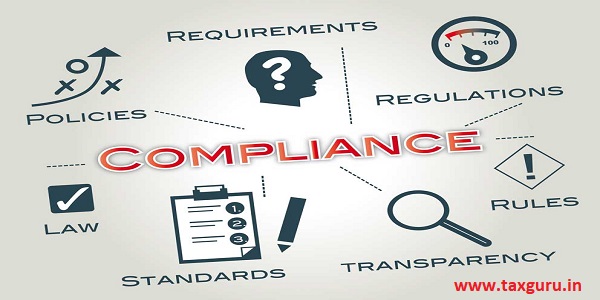
Key Areas of Company Law Compliance
-
Company Formation and Registration
- Incorporation: Register your company with the relevant authority and secure your certificate of incorporation. This process involves filing the company’s memorandum and articles of association.
- Legal Entity: Ensure your company is recognized as a separate legal entity, distinct from its shareholders and directors.
-
Corporate Governance
- Board of Directors: Establish a board with clearly defined roles and responsibilities. Directors must act in the best interest of the company and its shareholders.
- Meetings and Resolutions: Conduct regular board and annual general meetings (AGMs), document minutes, and pass resolutions as required.
-
Financial Reporting and Accountability
- Accounting Records: Keep accurate, up-to-date financial records. Prepare and file annual financial statements, including balance sheets, profit and loss accounts, and cash flow statements.
- Audits: Ensure external audits of financial statements are conducted by independent auditors who provide an unbiased assessment.
-
Compliance with Regulatory Requirements
- Tax Compliance: Ensure timely and accurate payment of corporate tax, VAT, and employee-related taxes.
- Employment Laws: Adhere to laws regarding employment, including minimum wage, employee rights, and workplace safety.
- Corporate Social Responsibility (CSR): Engage in ethical business practices and contribute positively to society and the environment.
Importance of Compliance
- Legal Protection: Avoid legal penalties, fines, and reputational damage by ensuring compliance.
- Investor Confidence: Build trust and attract investment by demonstrating adherence to laws and regulations.
- Operational Efficiency: Enhance operational efficiency and governance by following established procedures.
- Risk Management: Identify and mitigate legal and financial risks with effective compliance programs.
Strategies for Ensuring Compliance
- Establish a Compliance Program: Develop a robust program with clear policies, procedures, and employee training.
- Regular Audits and Reviews: Conduct internal audits and reviews to ensure ongoing compliance.
- Employee Training and Awareness: Provide continuous training on legal obligations and the importance of compliance.
- Seek Legal Advice: Consult with legal experts to stay informed about changes in laws and regulations.
Services we offered :
- Company Incorporations
- Conducting Board & Shareholders Meetings
- Drafting & Maintenance of Minutes of Meetings
- Prepare and file annual returns in accordance with the Companies Act 2013.
- Handle the filing of essential forms such as ACTIVE, MSME, DPT-3, and Commencement of Business.
- Striking Off the Name of Company
- Compliance on Buyback and Fresh Issue